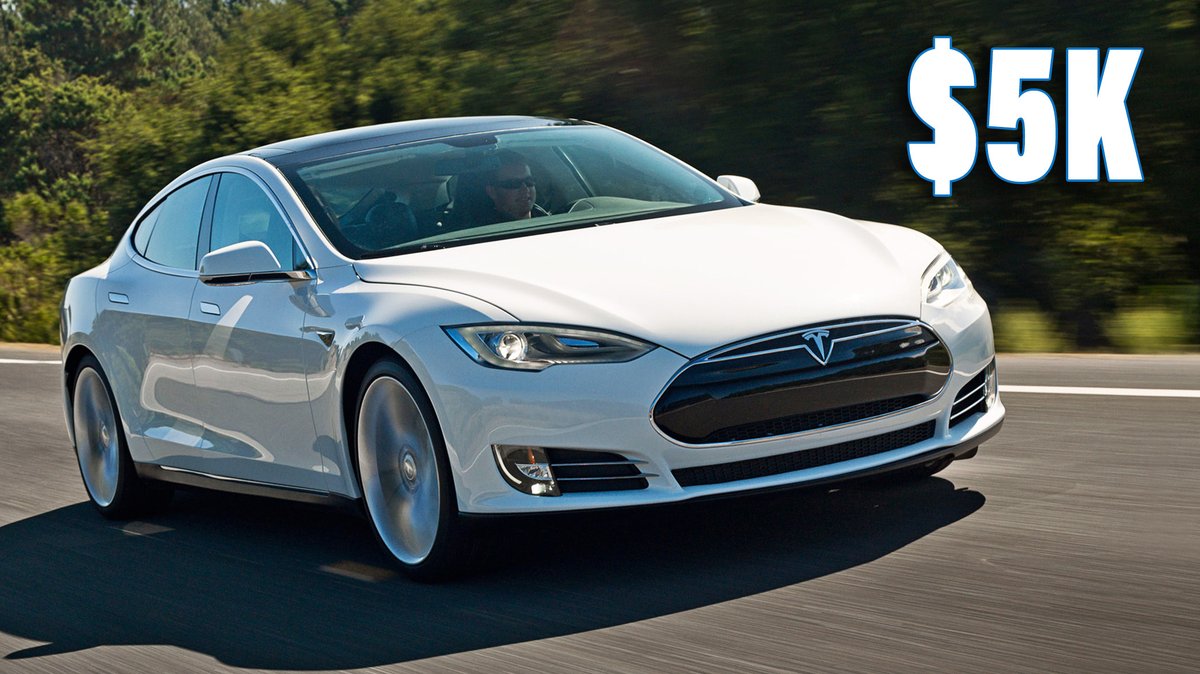
Is the hum of an electric motor a sound investment? For many, the question isn't just about enjoying a thrilling ride; it's about the Tesla Resale Value & Long-Term Investment Potential. You're likely wondering if buying a Tesla is a smart financial move, or if pouring capital into Tesla stock makes sense for your portfolio. This isn't just about cars; it's about technology, market shifts, and future-proofing your assets.
We're going to pull back the curtain on what genuinely drives Tesla's value, both on the road and on the stock market. Forget the hype for a moment, and let's focus on the data, the trends, and the practical considerations that matter most to you.
At a Glance: Tesla's Value Proposition
- Vehicle Resale: Tesla models, particularly the Model Y, show strong resale value retention, often outperforming comparable gas-powered cars.
- Driving Factors: Brand reputation, cutting-edge technology, strong demand for EVs, and continuous software updates bolster Tesla's market appeal.
- Ownership Considerations: While initial purchase costs are higher, lower maintenance and potential tax incentives can offset expenses over time. Battery replacement is a long-term concern.
- Stock Investment: Tesla (TSLA) is a highly volatile stock. It’s seen massive growth but also significant dips. It's a blend of automotive manufacturing and a technology company.
- Market Position: Tesla holds a leading position in a rapidly expanding EV market, backed by strong brand loyalty and innovative capabilities.
- Risks: Both car buyers and stock investors face risks, including competition, supply chain issues, market sentiment, and the cost of new technologies.
- Long-Term View: For those who believe in the EV revolution and Tesla's innovation, both owning a vehicle and investing in the company offer compelling, albeit high-stakes, opportunities.
The Electric Road Ahead: Decoding Tesla Resale Value
When you drive a new car off the lot, it immediately depreciates. That's a universal truth in the automotive world. But how quickly, and by how much, varies wildly. For electric vehicles (EVs), and particularly for Teslas, this dynamic is a fascinating mix of traditional market forces and technological disruption.
The Tesla Model Y, for instance, has emerged as a particularly strong performer in the resale market. It's not just a popular choice; it’s demonstrating a remarkable ability to hold its value. This resilience is influenced by a cocktail of factors that go beyond typical used car metrics.
What Makes a Tesla Hold its Value?
Several key elements contribute to Tesla's impressive resale performance:
- Brand Reputation & Demand: Tesla isn't just a car; it's a status symbol and a pioneer in sustainable transport. This strong brand loyalty and the growing interest in electric vehicles naturally drive demand for pre-owned models. People want a Tesla, and that consistent desire helps maintain prices.
- Technological Advancement: Unlike many traditional vehicles, Teslas continuously evolve after purchase through over-the-air (OTA) software updates. These updates can introduce new features, improve performance, and enhance safety, effectively making an older car feel newer. This ongoing technological refresh is a significant draw in the used market.
- Battery Performance & Longevity: The battery is the heart of an EV. Tesla's continuous innovation in battery technology and efficient power management helps assuage concerns about long-term battery degradation. A robust battery ensures an appealing range for second owners.
- Charging Infrastructure: Access to charging is paramount for EV owners. Tesla's extensive Supercharger network provides a significant advantage, reducing range anxiety and making Teslas more practical for everyday use and long-distance travel compared to many competitors. This established infrastructure is a major selling point for used Teslas.
- Market Leadership: As a market leader, Tesla often sets the benchmark for EV technology and performance. This leadership position translates into higher perceived value and desirability in the used car market.
How Does Tesla Resale Stack Up?
As of 2023, the Model Y, in particular, has shown strong resale value retention, often significantly outperforming gas-powered vehicles in its segment. After three years, many Teslas retain a substantial percentage of their original value, a figure that's quite competitive, if not superior, to many luxury and mainstream cars.
While competitors like the Ford Mustang Mach-E and Volkswagen ID.4 are indeed making promising inroads with their own respectable resale values, Tesla's established brand loyalty, advanced technology, and proprietary charging network give it a distinct edge. The consistent demand for EVs, fueled by environmental concerns and government incentives, acts as a powerful tailwind for all electric vehicles, but especially for market leaders like Tesla.
Owning a Tesla: More Than Just a Car, an Investment?
Deciding to buy a Tesla isn't just about choosing a mode of transport; it's a financial decision with both immediate and long-term implications. When considering whether a Tesla is a "good investment" from an ownership perspective, you need to weigh the initial outlay against the broader cost of ownership and the car's ability to hold its value.
The Upsides of Tesla Ownership
- High Resale Value Retention: As discussed, this is a significant pro. Knowing your vehicle is likely to command a good price if you decide to sell or trade it in provides financial peace of mind.
- Strong Brand Reputation & Customer Loyalty: Being part of the Tesla ecosystem often comes with a sense of pride and community. This loyalty isn't just emotional; it contributes to sustained demand for the vehicles.
- Access to Supercharger Network: The convenience and reliability of Tesla's charging infrastructure are unparalleled for many EV owners, making daily use and road trips less stressful.
- Continuous Software Updates: Your Tesla literally gets better over time. New features, improved efficiency, and enhanced safety protocols delivered via software updates mean your car isn't technologically stagnant.
- Lower Maintenance Costs: EVs generally have fewer moving parts than internal combustion engine (ICE) vehicles. This translates to less frequent and less expensive maintenance, saving you money on oil changes, spark plugs, and complex engine repairs.
The Downsides & Considerations
No investment is without its risks, and owning a Tesla is no exception.
- Higher Initial Purchase Price: Teslas, especially the Model S and X, come with a premium price tag compared to many traditional sedans or SUVs. Even the Model 3 and Y, while more "affordable," are still a significant upfront investment for many.
- Potential Depreciation with New Model Releases: Tesla is known for its rapid innovation and frequent updates. While software refreshes are great, entirely new models or significant hardware revisions (e.g., new battery tech, structural changes) could potentially impact the value of older generations more quickly.
- Long-Term Battery Replacement Costs: This is often the biggest question mark for prospective EV owners. While Tesla batteries are designed to last for many years and miles, eventually, they will need replacement. The cost of a new battery pack can be substantial, though these costs are expected to decrease over time as technology advances and production scales.
- Insurance Costs: Some Tesla models, due to their advanced technology and repair complexity, can be more expensive to insure than comparable ICE vehicles.
- Charging Access at Home: While the Supercharger network is extensive, daily convenience often relies on home charging. If you don't have easy access to a garage or dedicated charging solution, ownership might be less practical.
Ultimately, investing in a Model Y, or any Tesla, is a long-term commitment. Buyers should carefully consider their driving habits, available charging access, and the overall cost of ownership—which includes insurance, maintenance, charging, and any available tax incentives. For many EV enthusiasts, the Tesla Model Y truly appears to be a solid choice, but it’s crucial to weigh those initial costs against your long-term needs. And if you're still weighing the pros and cons of bringing a Tesla into your life, you might find our in-depth guide helpful: Should you buy a Tesla?.
Beyond the Garage: Tesla as a Long-Term Stock Investment
Shifting gears from the vehicle itself, let's look at Tesla, Inc. (TSLA) as a stock. Tesla is more than just an automaker; it's a multifaceted technology company founded in 2003, pushing boundaries across various sectors.
A Company of Many Hats
While its primary revenue stream comes from car sales – the luxurious Model S sedan, the versatile Model X SUV, the mass-market Model 3 sedan, and the ever-popular Model Y compact SUV – Tesla’s ambitions stretch much further. The company operates a significant energy division, developing solar panels and battery storage solutions (Powerwall, Megapack). Critically, its software capabilities, particularly Full Self-Driving (FSD), represent another potentially massive revenue stream and a core part of its long-term vision.
A Rollercoaster Ride: Tesla's Stock Volatility
If you're considering investing in Tesla stock, buckle up. TSLA is notoriously volatile. Historical data tells a dramatic story:
- 2020: A staggering 743% increase, fueled by rapid growth and market enthusiasm.
- 2021: A more modest 1.2% decrease, reflecting market consolidation.
- 2022: A significant 65% decrease, impacted by broader market downturns, CEO distractions, and production concerns.
Despite the fluctuations, the company consistently reports impressive revenue growth. For example, Q2 2023 saw revenue hit $24.93 billion, a robust 20% increase year-over-year. However, profitability can fluctuate due to the inherent complexities of automotive production, supply chain issues (like semiconductor shortages), and substantial investments in new technologies and Gigafactories.
The Expanding EV Market: Tesla's Playground
Tesla operates within a rapidly growing market. The electric vehicle sector is projected to expand at a compound annual growth rate (CAGR) of over 25% from 2023 to 2030. This isn't just about consumer demand; it's also about regulatory pushes and increasing environmental consciousness globally.
However, it's not a solo act. The competitive landscape is intensifying dramatically. Newer EV startups like Rivian and Lucid Motors are making waves with their unique offerings, while traditional automotive giants such as Ford, General Motors, and Volkswagen are pouring billions into developing their own competitive EV lineups. This escalating competition is a crucial factor for any long-term investor to consider.
Tesla's Edge: What Fuels Its Investment Potential?
Despite the volatility and growing competition, Tesla possesses several strategic advantages that make a compelling case for its long-term investment potential.
Unparalleled Brand Loyalty and Market Position
Tesla has cultivated an almost cult-like following. This strong brand loyalty translates into sustained demand and a premium perception. As a market leader, Tesla often dictates trends and sets the benchmark for EV technology, positioning it favorably within the rapidly expanding global EV market. Its international expansion, particularly in key markets like China and Europe, further solidifies its global footprint.
Continuous Innovation and Vertical Integration
Tesla's commitment to innovation is relentless. This isn't just about building cars; it's about pushing boundaries in:
- Battery Technology: Developing more efficient, longer-lasting, and cheaper batteries is central to Tesla's strategy.
- Self-Driving Software (FSD): While controversial, FSD represents a massive potential future revenue stream and a technological differentiator.
- Manufacturing Efficiency: Through its Gigafactories, Tesla aims for revolutionary manufacturing scale and cost reduction, a critical factor for profitability.
What truly sets Tesla apart is its vertical integration business model. By controlling manufacturing, battery production, software development, and even direct-to-consumer sales, Tesla enhances innovation, improves efficiency, and maintains healthier margins compared to many competitors who rely heavily on external suppliers. This holistic approach allows for faster iteration and tighter control over quality and cost.
Extensive Charging Infrastructure & Sales Model
The Supercharger network remains a significant competitive advantage. It's a key selling point for consumers and a barrier to entry for many new EV manufacturers struggling to build out their own networks. Coupled with its direct-to-consumer sales model, Tesla bypasses traditional dealerships, allowing for a streamlined sales process and direct customer relationships.
Diversified Approach and Government Support
Tesla's diversified approach, encompassing energy solutions and autonomous vehicle services, positions it for long-term growth beyond just car sales. Furthermore, government policies, including tax credits, subsidies, and incentives for EV adoption, significantly influence Tesla's market prospects by making its products more accessible and attractive to a broader consumer base.
For long-term investors who genuinely believe in the transformative power of EV technology and Tesla's capacity for continuous innovation, the company presents a powerful case. Its competitive advantages—from brand recognition and advanced battery tech to autonomous driving capabilities and extensive charging infrastructure—form a robust foundation.
Navigating the Bumps: Risks for Tesla Investors
While the potential for growth is substantial, investing in Tesla stock comes with its own set of significant risks that conservative investors, in particular, should carefully consider.
Operational and Supply Chain Hurdles
The automotive industry is complex, and Tesla is not immune to its challenges.
- Supply Chain Disruptions: Events like semiconductor shortages, raw material price fluctuations, and logistics issues can severely impact production volumes and profitability.
- Production and Delivery Targets: Failure to meet ambitious growth and production targets can disappoint investors and lead to stock price drops.
- Commodity Price Volatility: The cost of key materials like lithium, nickel, and cobalt directly affects battery production costs and, consequently, vehicle margins.
Regulatory Scrutiny and Market Sentiment
As a high-profile, innovative company, Tesla often finds itself under a magnifying glass.
- Regulatory Scrutiny: Issues related to emissions standards, vehicle safety, and the capabilities (and marketing) of its self-driving features can lead to investigations, recalls, and reputational damage.
- Vulnerability to Market Sentiment: Tesla's high valuation often means its stock price is highly sensitive to news, CEO commentary, and broader market sentiment shifts. Negative headlines or shifts in investor confidence can lead to rapid price corrections.
Intense Competition and Economic Headwinds
The EV market, while growing, is becoming increasingly crowded and competitive.
- Competitor Gains: As traditional automakers and new EV startups ramp up their offerings, Tesla faces the challenge of maintaining its market share and innovative edge. Aggressive pricing or superior technology from rivals could erode Tesla's lead.
- Economic Downturns: Like any consumer discretionary company, Tesla is vulnerable to economic downturns. Recessions or periods of high inflation can reduce consumer spending on big-ticket items like new vehicles, impacting sales and revenue.
An informed investment decision requires thorough research, alignment with your personal financial goals, an honest assessment of your risk tolerance, and the wisdom of portfolio diversification. Tesla's stock volatility can be a significant risk for those seeking stability but an opportunity for long-term investors willing to buy shares during market dips, provided their thesis for the company's future remains strong.
Making Your Move: Is Tesla Right for Your Portfolio (or Driveway)?
So, after all this analysis, where does that leave you? Whether you're eyeing a Model Y for your garage or shares of TSLA for your brokerage account, the decision boils down to your personal circumstances, risk tolerance, and long-term outlook.
For the Prospective Tesla Owner:
- Assess Your Needs: How much do you drive? Do you have convenient home charging? Are you comfortable with a unique service model?
- Budget Beyond the Sticker Price: Factor in insurance, potential charging costs (though often less than gas), and potential tax incentives that could reduce your overall cost of ownership.
- Long-Term Vision: Are you prepared for the possibility of future battery replacement costs, even if they're far down the road? Are you excited by continuous software updates, or would you prefer a more traditional vehicle experience?
- Resale Value as a Buffer: The strong resale value retention of models like the Model Y acts as a financial buffer, mitigating some of the upfront cost risk. However, it's not a guarantee against all future market shifts.
For the Potential Tesla Investor:
- Understand Your Risk Tolerance: Tesla stock is volatile. Are you prepared for significant swings, or do you prefer more stable investments? Buying shares during dips can be an opportunity, but it requires conviction and a long-term mindset.
- Do Your Due Diligence: Go beyond headlines. Analyze financial performance (revenue, profitability, cash flow), market position, growth potential, competitive landscape, and technological advancements.
- Believe in the Vision: A long-term investment in Tesla is often a bet on the future of electric vehicles, renewable energy, and autonomous driving. Do you believe Tesla will continue to lead and innovate in these sectors?
- Diversify Your Portfolio: Never put all your eggs in one basket. Tesla should be part of a diversified portfolio that aligns with your overall financial strategy.
- Stay Informed: The EV market, regulatory environment, and Tesla's own operations are constantly evolving. Continuous learning and adaptation are key.
Common Questions & Misconceptions:
- "Is a Tesla battery ridiculously expensive to replace?" While expensive today (tens of thousands of dollars), battery costs are falling, and they're designed to last 8+ years or 100,000+ miles. Most owners sell or trade in their vehicles before replacement is needed.
- "Will Teslas become obsolete quickly with new tech?" Software updates help combat obsolescence, keeping features fresh. However, significant hardware changes or entirely new models could impact older vehicle values over time, just like with any car.
- "Is Tesla's self-driving truly 'full'?" Currently, no production car is fully autonomous without human supervision. FSD is an advanced driver-assistance system that requires the driver's full attention. The "full" aspect refers to its potential, not its current legal or practical reality.
Your Next Steps
Whether you're looking to purchase a Tesla or invest in the company's stock, the underlying principle is the same: gather the facts, weigh the pros and cons against your personal situation, and make an informed decision. Tesla's journey has been anything but conventional, and its future promises to be just as dynamic. By understanding both its impressive resale value for vehicles and its high-stakes long-term investment potential as a company, you're better equipped to navigate the electric future.