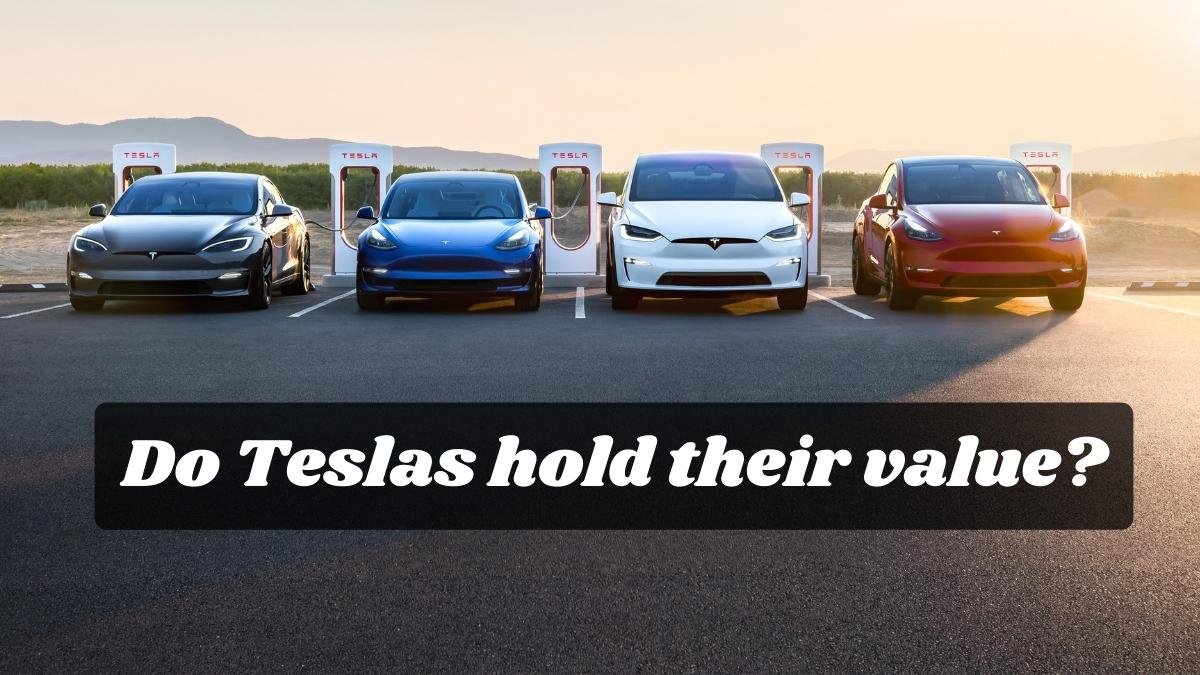
Dreaming of a Tesla but the new car price tag gives you pause? You're not alone. The question, "Are Used Teslas a Smart Buy? Evaluating Value on the Pre-Owned Market," has become increasingly relevant as more of these cutting-edge electric vehicles hit the secondary market. What was once an exclusive luxury is now more accessible than ever, offering a tantalizing blend of performance, technology, and sustainability without the hefty upfront cost of a brand-new model.
But is a used Tesla genuinely a wise investment, or are there hidden pitfalls waiting to surprise you? Let’s dive into what makes the pre-owned Tesla market so appealing, and what you need to know to make an informed decision in 2025.
At a Glance: Key Takeaways on Used Teslas
- Significant Savings: Expect to pay 25-40% less than a new model, with the biggest depreciation hit already absorbed by the first owner.
- Advanced Tech, Lower Price: Gain access to instant torque, quiet driving, and the Supercharger network for less.
- Battery Health is Key: Most see 5-10% range degradation after 100,000 miles, but replacement outside warranty is costly ($10k-$15k).
- Warranty Matters: Check remaining factory warranty; Tesla CPO adds a 1-year/10,000-mile extension.
- Hidden Feature Gems: Some used Teslas transfer valuable features like Full Self-Driving (FSD) capability or lifetime Supercharging.
- Maintenance Perks & Pitfalls: Less routine maintenance than gas cars, but specialized body/electronic repairs can be expensive and slow.
- Due Diligence is Essential: Thorough inspection, history review, and battery health assessment are non-negotiable.
The Allure of the Pre-Owned Tesla Market
In just a few short years, Tesla has redefined what an electric vehicle can be, setting new benchmarks for performance, technology, and over-the-air (OTA) updates. This innovation, coupled with increasing production volumes, means that the pre-owned Tesla market is booming. You can now find a compelling array of Model 3s, Model Ys, and even older Model S sedans at prices that were unimaginable just a few years ago.
For many, a used Tesla represents an opportunity to own a piece of automotive future without stretching the budget to its breaking point. It’s about experiencing that thrilling instant torque, the silent acceleration, and the constantly evolving software that keeps the car feeling fresh. But beyond the excitement, there are practical financial advantages that make a used Tesla genuinely attractive. To understand the broader picture of whether a Tesla is worth buying at all, consider the general ownership experience.
Unpacking the Financials: Where the Value Lies
One of the most compelling arguments for buying a used Tesla is the significant cost savings. The steepest part of a car's depreciation curve happens in its first few years. As a second owner, you often benefit from this initial plunge, getting more car for less money.
How Much Can You Really Save?
The numbers speak for themselves. A used Model 3 or Model Y can be purchased for 25-40% less than its new counterpart. For example, while a new Tesla Model 3 Long Range might start around $47,000, a well-maintained 2021 version can often be found for $30,000-$33,000. That’s a substantial chunk of change that stays in your pocket.
Similarly, a Model Y typically drops 20-25% in value after just three years, and older Model S sedans can lose up to 40% of their original price. This depreciation pattern means that when you buy used, you’re often stepping into the market at a sweet spot, avoiding the initial rapid value loss.
Depreciation & Resale: Still a Strong Performer
Despite the initial drop, Teslas are known for retaining their value remarkably well compared to many other brands. This is largely due to their unique nature. Over-the-air (OTA) software updates, for instance, are a game-changer. They don't just fix bugs; they can add new features, improve performance, and even enhance battery efficiency, effectively keeping the car's software and features relevant for years. This continuous improvement slows down the natural depreciation curve.
In fact, Tesla remains a top brand for holding resale value, with a three-year-old Model 3 averaging an impressive 65% of its original MSRP in 2025. As a second owner, you're buying after the biggest value drop, meaning your future depreciation will likely be slower and less painful than the first owner's experience.
Beyond the Sticker Price: Understanding Potential Hidden Costs
While the savings on the purchase price are attractive, a smart buyer looks at the total cost of ownership. Used Teslas, like any complex vehicle, come with their own set of potential hidden costs and risks that demand your attention.
The Big One: Battery Health and Degradation
The battery is the heart of any EV, and its health is paramount. While Tesla batteries are engineered for longevity, some degradation over time is inevitable. Most owners report a modest 5-10% drop in range after about 100,000 miles, or roughly 5-8% after three years of ownership. This is often less than many people fear.
The Catch: Replacing a Tesla battery outside of warranty is a significant expense, typically costing between $10,000 to $15,000. This makes understanding the remaining battery warranty crucial.
Warranty Coverage: Your Safety Net
New Teslas come with a 4-year or 50,000-mile comprehensive warranty. The crucial component, the battery, and drive unit, are covered by a longer 8-year/100,000-mile warranty (or 120,000 miles for Long Range and Performance models), which covers defects, not normal degradation.
When buying used, you need to know exactly how much of that original warranty remains. If you opt for a Tesla Certified Pre-Owned (CPO) vehicle, you get an added layer of protection: a 1-year or 10,000-mile extension on top of any remaining new vehicle limited warranty. This CPO warranty also guarantees battery and drive unit coverage for 4 years or 50,000 miles from the purchase date, or the remainder of the original 8-year/100,000-mile (or 120,000-mile) warranty, whichever is greater. This peace of mind can be invaluable.
Maintenance & Repairs: Fewer but Pricier
Teslas famously require less routine maintenance than gasoline cars. No oil changes, no spark plugs, no timing belts, no exhaust systems to worry about. This significantly cuts down on long-term service costs.
However, when repairs are needed, especially for bodywork or complex electronic components, they can be costly. Tesla uses proprietary parts and requires specialized, certified technicians. This can lead to higher labor rates, expensive parts, and potentially longer wait times for repairs. Minor fender benders can turn into substantial bills due to the intricate sensor arrays and aluminum body construction.
Insurance Premiums: Expect Them to Be Higher
Unfortunately, Teslas often come with higher insurance premiums. This isn't just because they're premium vehicles; it's also due to their advanced sensor systems and cameras. While these features enhance safety, they also make accident repairs more complex and, therefore, more expensive. Some used Teslas might not qualify for Tesla's in-house insurance program, so always get insurance quotes before you buy.
Charging Infrastructure: The Home Setup
While Teslas have access to the robust Supercharger network, the most convenient and cost-effective charging happens at home. Installing a Level 2 home charger (like Tesla's Wall Connector) can add $1,000-$2,000 to your initial expenses, depending on your electrical panel and installation complexity. Factor this into your budget, as it's a vital part of the EV ownership experience. Considering the overarching value proposition, you might also be wondering is a Tesla worth buying for its advanced charging capabilities alone.
The Perks: Why a Used Tesla Can Be an Unbeatable Deal
Despite the potential risks, the advantages of a pre-owned Tesla often outweigh the drawbacks, especially for buyers who do their homework.
Access to Premium Technology and Performance
At its core, a used Tesla still delivers that quintessential Tesla experience. You get the instant, silent acceleration that pushes you back in your seat, the smooth and quiet ride, and access to one of the most reliable and extensive fast-charging networks in the world – the Tesla Supercharger network. You're buying into a technologically advanced platform that continually evolves.
Hidden Feature Treasures: Preloaded Perks
This is where buying used can sometimes surprise you with unexpected value. Many used Teslas come with features that new buyers might pay extra for, or even can no longer get:
- Lifetime Supercharging: While rare, some older Model S and X vehicles had free, unlimited Supercharging for life. If you find one, it's a massive long-term saving.
- Full Self-Driving (FSD) Capability: FSD is an expensive add-on, costing upwards of $12,000 for new buyers. Many used Teslas have already had FSD purchased and installed. Crucially, in many cases, this capability transfers with the car to the new owner, representing a huge value addition.
- Premium Connectivity: Some vehicles may have this subscription service pre-activated or grandfathered in for a period, offering satellite-view maps, live traffic visualization, and video streaming.
Always verify with the seller and Tesla directly that these features will indeed transfer to you as the new owner via the Tesla app.
Significantly Lower Maintenance Costs
We touched on this earlier, but it's worth reiterating as a major advantage. The simplicity of an EV powertrain means far fewer moving parts susceptible to wear and tear. You won't have to budget for:
- Oil changes
- Spark plug replacements
- Fuel filter replacements
- Timing belt changes
- Emissions system repairs
Your primary maintenance will revolve around tires, brakes (which last longer due to regenerative braking), wiper fluid, and cabin air filters. This translates to substantial savings over the lifespan of the vehicle.
Strong Community Support and Diagnostics
The Tesla owner community is large, passionate, and incredibly active online. You’ll find countless forums and groups offering advice, troubleshooting tips, and shared experiences. Furthermore, Tesla’s advanced diagnostics, often accessible through the app, give owners a clear view of their car's health. This level of transparency and community support is a major advantage for tackling any ownership questions. When evaluating the overall proposition, considering is a Tesla worth buying for its tech ecosystem and community can be a key factor.
Your Pre-Purchase Checklist: Navigating the Used Tesla Market Like a Pro
To ensure your used Tesla purchase is indeed a smart buy, thorough due diligence is non-negotiable. Here's your essential checklist:
1. Assess Battery Health Like a Doctor
This is your top priority. A healthy battery means good range and peace of mind.
- Ask for 100% Charge Range: Request the seller to charge the car to 100% and provide a photo of the estimated range. Compare this number against the original factory rating for that specific model and year. A drop of more than 10% from the original rating might indicate significant wear, though some minor variance is normal.
- Request a Diagnostic Report: The best way to get a true picture is a diagnostic report. Tesla Service centers can sometimes provide this, or you can use third-party diagnostic tools (like ScanMyTesla) if the seller permits. This report can reveal critical details about battery capacity, cell health, and charging history.
- Consider the Warranty: Remember the 8-year/100,000-mile (or 120,000-mile) battery warranty covers defects. Understand how much of that warranty remains.
2. Deep Dive into Maintenance History
Even though Teslas require less maintenance, consistent service records are still vital.
- Comprehensive Records: Look for documentation of any repairs, firmware updates, and routine checks. This helps confirm the car has been properly cared for.
- Red Flags: Be wary of inconsistent records, long gaps in service, or any indications of prior accident history that wasn't properly disclosed or repaired by Tesla-certified shops. Ask for a CarFax or AutoCheck report.
3. Verify Software and Features Transfer
Don't assume features will automatically transfer.
- Software Version: Confirm the car's current software version. While OTA updates are continuous, older cars might be on an outdated branch or miss certain hardware required for the newest features.
- FSD & Premium Connectivity: Get explicit confirmation from the seller and, ideally, from Tesla support, that features like Full Self-Driving capability, Enhanced Autopilot, or Premium Connectivity will transfer to you upon ownership transfer. Some features, particularly older "free Supercharging," can be tied to the original owner and might not transfer. Tesla's transfer policies can also change, so always verify.
4. Conduct a Meticulous Exterior and Interior Inspection
Teslas, particularly older models, can have panel gap inconsistencies.
- Exterior Body Panels: Carefully check for paint issues, dents, scratches, and any misaligned panels. Aluminum body repairs are expensive and require specialized expertise.
- Undercarriage: If possible, inspect the undercarriage for any signs of battery damage or scrapes, which could indicate curb rash or more serious impacts.
- Sensors and Cameras: Test all cameras (rear, side, front) and ensure all ultrasonic sensors (if present on older models) are clean and functional.
- Infotainment System: Thoroughly test the touchscreen responsiveness, navigation, media playback, and connectivity options.
- Charging Port: Inspect the charging port for any damage or wear.
5. Choose Your Purchase Source Wisely
Where you buy your used Tesla significantly impacts your risk level.
- Tesla Certified Pre-Owned (CPO): This is often the safest route. CPO vehicles undergo a rigorous multi-point inspection, come with a warranty extension, and guaranteed battery and drive unit coverage. While typically more expensive, the peace of mind is worth it for many.
- Third-Party Dealerships: Reputable dealers specializing in EVs or luxury vehicles can offer a good selection. Ensure they provide detailed inspection reports and a clear return policy.
- Private Sellers: Often offer the best prices, but come with the highest risk. Your due diligence is magnified here. Always meet in a safe location, get independent inspections, and verify all documentation.
6. Calculate the True Total Cost of Ownership
Don't just look at the purchase price. Factor in all potential expenses:
- Purchase Price: Your initial outlay.
- Insurance: Get multiple quotes based on the specific VIN.
- Charging Costs: Estimate your annual electricity costs for home charging and Supercharger usage.
- Home Charger Installation: If you don't have one, budget $1,000-$2,000.
- Potential Repairs: Set aside an emergency fund for unexpected maintenance. Even with a warranty, wear items like tires can be expensive.
- Registration & Taxes: Don't forget these standard vehicle costs.
What Owners Say: High Satisfaction Rates
Still on the fence about whether a Tesla is worth buying used? Consider the collective experience. A 2025 survey by EV Analytics revealed that 82% of used Tesla buyers were satisfied or very satisfied with their purchase. Owners consistently praise the instant torque, the quiet and refined ride, and the seamless software updates that keep their vehicles feeling modern. This high satisfaction rate underscores that for many, the benefits far outweigh the perceived risks.
Making Your Smart Buy: The Final Word
Buying a used Tesla in 2025 offers a compelling proposition: access to groundbreaking technology, exhilarating performance, and a sustainable driving experience at a significantly reduced entry cost. You're getting 90% of the new-car experience for perhaps 60% of the price.
However, "smart buy" isn't synonymous with "effortless buy." It requires diligence, research, and a clear understanding of the unique characteristics of electric vehicles, particularly battery health and warranty coverage. By meticulously following the pre-purchase checklist, understanding the true total cost of ownership, and choosing your purchase source wisely, you can confidently navigate the pre-owned Tesla market.
For the right buyer—one who values innovation, efficiency, and a connected driving experience, and is prepared to do their homework—a used Tesla isn't just a good buy, it's an exceptionally smart one.