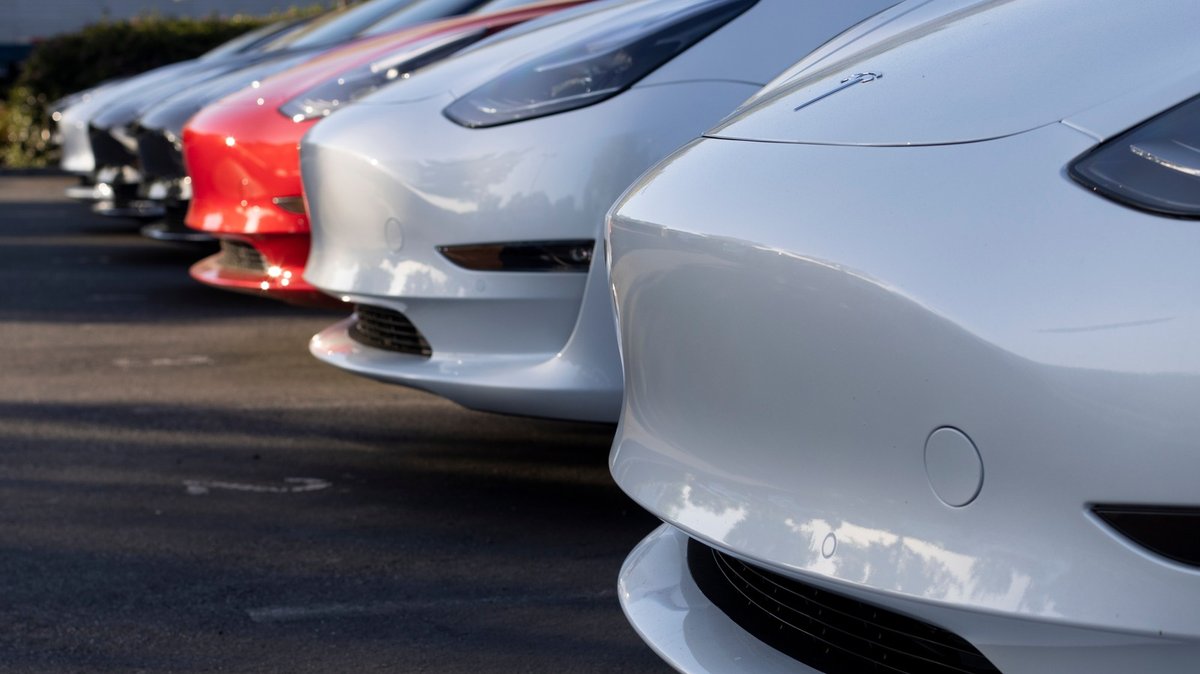
Tesla vehicles have captivated the automotive world, becoming synonymous with cutting-edge electric technology, sleek design, and a promise of a greener future. For many, the idea of owning a Tesla represents a leap into innovation, freedom from gas pumps, and a commitment to environmental consciousness. But beneath the allure and the hype, a crucial question remains: are Teslas worth it when you consider the full financial and practical commitment?
The answer isn't a simple yes or no. It's a nuanced exploration of upfront costs, long-term savings, lifestyle adjustments, and individual priorities. This guide will help you navigate the complexities, connecting you with comprehensive insights to make an informed decision about whether a Tesla truly aligns with your needs and budget.
Decoding the Initial Price Tag: Models and Choices
The journey to owning a Tesla begins with understanding the range of models and their associated costs. Tesla's lineup offers options from compact sedans to robust trucks, each with varying price points that depend on new versus used condition, technology packages, and trim levels.
For instance, the spacious Tesla Model X SUV, designed for up to seven passengers, can range from $80,000 to $96,000 new, while used models typically sit between $19,000 and $88,000. The popular midsize Tesla Model Y SUV is more accessible, with new prices at $43,000 to $54,000, and used options from $18,000 to $55,000. If endurance and range are your priorities, the Tesla Model S sedan starts at $76,000 to $92,000 new, with used prices from $10,000 to $80,000.
The practical Tesla Model 3, known for its performance and impressive range, starts at $38,000 to $54,000 new. Its used market is highly dynamic, spanning $12,000 to $200,000 depending heavily on specific trims and upgrades. And for those seeking ultimate utility and a futuristic aesthetic, the Tesla Cybertruck is a powerful option, new prices ranging from $80,000 to $101,000, with used models currently seen from $89,000 to $189,000 as the market matures. Clearly, the initial purchase is a significant investment across the board.
The Full Financial Picture: Beyond the Sticker Price
While the sticker price is the first hurdle, true Tesla ownership costs encompass much more. From "fuel" expenses to maintenance and insurance, understanding these long-term financial aspects is key to determining if a Tesla is truly worth it for your budget. To dive deeper into all the financial implications, you'll want to Get the full Tesla cost breakdown.
Fuel Savings and Charging Considerations
One of Tesla's most compelling financial benefits is the elimination of gasoline costs. Over time, these savings can be substantial, potentially amounting to thousands of dollars annually. For example, driving a Tesla Model S 15,000 miles a year, primarily with home charging, could cost around $555 in electricity, a stark contrast to a comparable gasoline car like a Toyota Camry, which might cost $1,589 in gas for the same distance. Over two years, even factoring in a typical $1,200 home charging station installation, the Tesla’s total "fuel" cost can be significantly less than a gas vehicle's.
However, owning an EV means adapting to a new fueling infrastructure. While convenient to plug in overnight at home, public charging can take up to an hour, compared to a five-minute gas fill-up. The availability of charging stations varies by region, which can be a notable con for some drivers. For a complete understanding of how to power your Tesla, including costs and range expectations, consider our guide on Tesla Charging Infrastructure & Real-World.
Tax Credits and State Incentives
While the federal tax credit for Teslas was phased out in 2020, many states continue to offer various incentives. These state-specific programs can provide up to $2,500 in savings, though they often depend on the specific model and purchase price. Always research what's available in your state to maximize potential savings.
Maintenance and Unexpected Costs
Teslas generally boast lower annual maintenance costs than gasoline cars, often staying under $500. This is primarily due to having fewer mechanical components—no oil filters, spark plugs, or complex exhaust systems. However, while routine maintenance is lighter, the vehicles' reliability track record isn't always stellar. Consumer reports have sometimes placed Tesla among the lower ranks for dependability. The biggest potential cost concern is the battery pack replacement, which, outside of the 8-year or 150,000-mile warranty, can range from $12,000 to $16,000.
Insurance Premiums
Tesla vehicles are often classified as luxury cars, and their specialized electrical systems and aluminum frames can lead to higher repair costs. Consequently, Tesla auto insurance premiums are typically higher than average. A Model S, for example, might cost $2,200 to $3,673 annually for insurance, compared to around $2,200 for a Camry. While Tesla does offer its own insurance product, it's currently only available in California.
The Tesla Experience: Performance, Technology, and Driving
Beyond the numbers, the Tesla experience is a significant part of its appeal. Owners often highlight unique features like "fart mode" and rainbow charging lights, adding a playful element to a high-tech vehicle. Teslas are designed for performance, offering quick acceleration and a smooth, quiet ride that many find exhilarating.
However, some critique the "boring" or straightforward aesthetic compared to other luxury brands. While the minimalist interior is a design choice, it may not appeal to everyone. If you're weighing the pros and cons of these unique aspects, a deeper dive into Tesla performance, tech, and safety features can provide clarity.
Long-Term Value and Your Investment
Considering a car as a long-term investment requires looking at its lifespan, depreciation, and potential resale value. Tesla batteries are engineered for longevity, designed to last between 300,000 and 500,000 miles. With proper battery care, the vehicle itself could potentially last for decades, thanks to having fewer moving parts than a traditional combustion engine car.
When considering the long-term financial picture of any vehicle, understanding its future worth is key, and for that, you'll want to review Berikut beberapa opsi: Tesla resale and other investment potential factors. Interestingly, Teslas, particularly the Model 3, have shown lower depreciation rates than the average vehicle. The Model 3, for example, depreciated only 10.2% after three years, significantly outperforming the industry average of 38.3%. This strong retention of value can contribute positively to the overall worth of the investment.
Tesla Versus the Alternatives: A Value Comparison
When you ask, "are Teslas worth it?", you're also implicitly asking, "worth it compared to what?" The overall 6-year cost comparison, factoring in purchase price, "fuel," insurance, and maintenance (minus tax credits), highlights this comparison vividly. A Tesla Model S might cost an estimated $133,621 over six years, while a Model 3 comes in around $67,543. Compare this to a Toyota Camry LE, estimated at $60,370 - $60,383. The Model 3 and Camry are much closer in cost, with the Model 3 potentially becoming more cost-effective over a longer period due to lower operating expenses.
However, the market is rich with other electric vehicle options that might offer similar benefits at a different price point. Alternatives like the Nissan Leaf, Hyundai Ioniq Electric, Audi e-tron, or Mini Cooper SE provide compelling choices for those who desire an EV but find Tesla's upfront costs prohibitive. To help you decide how Teslas stack up against their rivals, be sure to Explore Teslas value comparison for a detailed analysis.
The Verdict: Is a Tesla Right For You?
Ultimately, the decision of whether are Teslas worth it hinges on your individual circumstances and values. If you have the financial capacity for the initial investment, prioritize owning an electric vehicle for its environmental benefits, and are prepared for a home charging station setup and potentially higher insurance premiums, a Tesla could be an excellent choice. The significant fuel savings, lower routine maintenance, and strong resale value for some models present a compelling long-term financial case.
However, if the high upfront cost is a deterrent, or if you're concerned about dependability reports, long charging times on the road, or limited charging infrastructure in your area, exploring alternative EVs or simply investing in environmentally friendly companies could be a more suitable path. Always research state-specific tax incentives and compare insurance options diligently to mitigate some of the higher ownership costs. A test drive, especially for a used model, is also highly recommended to ensure the driving experience meets your expectations. The future of transportation is electric, and understanding your place within it is the first step towards a smart investment.